The Ultimate Guide to Employee Engagement in the Modern Workplace

Employee engagement has become a top priority for businesses of all sizes, and for good reason. A highly engaged workforce is a more productive and committed workforce, resulting in increased success for the organization as a whole. In this ultimate guide, we will explore the latest trends, challenges, and best practices for employee engagement in the modern workplace.
1. Definition of employee engagement
Employee engagement refers to the emotional commitment and investment an employee has towards their organization and its goals. Engaged employees are motivated, productive, and committed to their work, and are more likely to go above and beyond to help their organization succeed.
Importance of employee engagement in the modern workplace
Employee engagement is critical to the success of any organization, as it directly impacts productivity, profitability, and employee retention. Engaged employees are more likely to be committed to their work and their organization's goals, resulting in higher levels of productivity, greater customer satisfaction, and increased profits.
Benefits of having engaged employees for the organization
Engaged employees are not only more productive, but they also tend to be more creative and innovative, leading to a competitive advantage for the organization. They are also more likely to provide exceptional customer service and build strong relationships with clients, leading to increased customer loyalty and retention. In addition, engaged employees are more likely to stay with their organization for the long term, reducing turnover and associated costs.
2. The State of Employee Engagement in 2023
Current trends and statistics related to employee engagement
Employee engagement remains a top concern for businesses in 2023, with research showing that only a small percentage of employees are truly engaged in their work. According to a recent study, only 34% of employees in the United States are engaged at work, while 13% are actively disengaged. The remaining 53% fall somewhere in between, indicating room for improvement in engagement efforts.
Factors that contribute to employee disengagement
There are several factors that contribute to employee disengagement, including a lack of communication and feedback, unclear expectations, limited growth opportunities, and poor management. In addition, remote work has presented new challenges for employee engagement, with some employees feeling isolated and disconnected from their colleagues and organization.
### The impact of remote work on employee engagement
Remote work has become increasingly common in recent years, and the COVID-19 pandemic has accelerated this trend. While remote work offers several benefits, it also presents challenges for employee engagement. Without face-to-face interaction, employees may feel isolated and disconnected from their colleagues and organization, leading to lower levels of engagement.
3. Challenges of Employee Engagement in 2023
Businesses face several challenges in keeping employees engaged, including a lack of resources, competing priorities, and difficulty measuring engagement levels. In addition, remote work has presented new challenges for employee engagement, as mentioned earlier.
### The risks and consequences of low employee engagement
Low employee engagement can have serious consequences for the organization, including decreased productivity, lower customer satisfaction, and higher turnover rates. In addition, disengaged employees may be more likely to engage in negative behaviors such as absenteeism and theft.
Strategies to overcome common obstacles and enhance engagement
There are several strategies that businesses can implement to overcome common obstacles and enhance employee engagement. These include creating a positive work culture, providing opportunities for growth and development, and fostering effective communication and feedback.
4. Best Practices for Employee Engagement in 2023
There are several proven strategies and tactics that businesses can use to enhance employee engagement. By focusing on these best practices, organizations can create a work environment that promotes productivity, job satisfaction, and commitment. Here are some of the most effective best practices for employee engagement in 2023:
Provide opportunities for growth and development
One of the most effective ways to engage employees is by providing them with opportunities to grow and develop within the organization. This can include training, mentoring, coaching, and other professional development opportunities. When employees feel that their employers are invested in their growth and development, they are more likely to feel committed to the organization and to their work.
Promote work-life balance
Another important aspect of employee engagement is promoting work-life balance. This can be achieved by offering flexible work schedules, remote work options, and other programs that support employees in balancing their work and personal lives. When employees feel that they have the support and flexibility they need to manage their personal responsibilities, they are more likely to feel engaged and committed to their work.
### Encourage collaboration and teamwork
Collaboration and teamwork are essential for a positive and productive work environment. By promoting a culture of collaboration and teamwork, organizations can foster an environment where employees feel valued and supported by their colleagues. This can lead to increased job satisfaction and a sense of belonging, both of which are important for employee engagement.
Recognize and reward employees
Employees who feel valued and appreciated are more likely to be engaged and committed to their work. By recognizing and rewarding employees for their contributions, organizations can create a culture of appreciation and recognition that fosters engagement and motivation. This can include both formal recognition programs and informal gestures of appreciation, such as thank-you notes or small gifts.
### Foster open communication and feedback
Effective communication and feedback are essential for employee engagement. By creating a culture of open communication and feedback, organizations can ensure that employees feel heard and understood. This can include regular one-on-one meetings between employees and their managers, as well as regular team meetings and open forums for feedback and discussion.
5. The Role of Technology in Employee Engagement
Technology is rapidly changing the landscape of employee engagement, with new tools and platforms emerging all the time. By leveraging these technologies, organizations can create a more engaging and productive work environment. Here are some of the ways that technology is transforming employee engagement:
Communication and collaboration tools
Effective communication and collaboration are essential for employee engagement, and technology is making it easier than ever to facilitate these processes. From instant messaging apps to project management tools, there are a wide range of communication and collaboration tools available that can help employees stay connected and engaged with their work.
Performance management software
Performance management software is another powerful tool for enhancing employee engagement. By providing employees with regular feedback and performance metrics, organizations can help employees understand their strengths and weaknesses and develop strategies for improvement. This can lead to increased engagement and motivation, as employees feel empowered to take control of their own performance.
### Employee engagement platforms
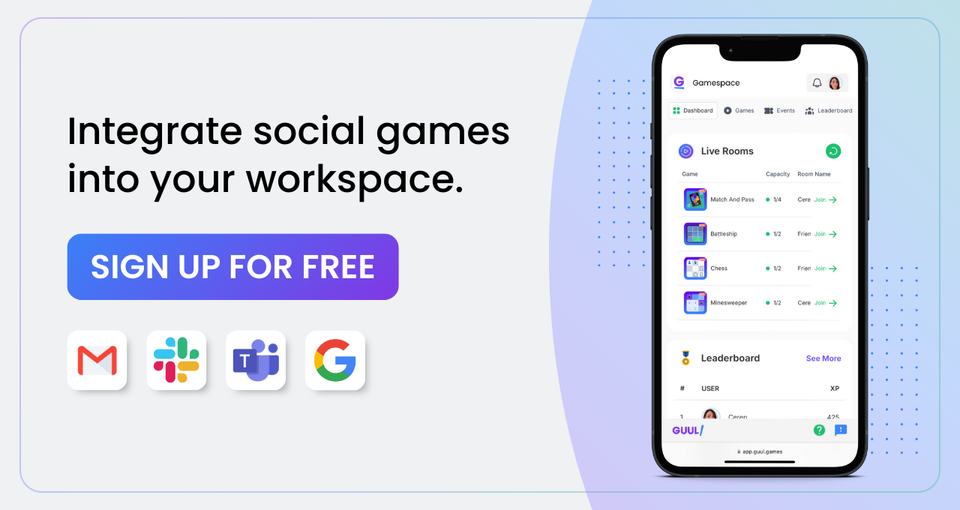
Employee engagement platforms like Guul are specifically designed to help organizations promote employee engagement and motivation. These platforms provide a range of features and tools that facilitate communication, feedback, recognition, and collaboration, all of which are essential for creating a culture of engagement.
Conclusion
Employee engagement is an essential element of any successful organization. In today's fast-paced business environment, it's more critical than ever to create a positive work culture, offer growth and development opportunities, and foster open communication and feedback channels. Challenges such as remote work, burnout, and disengagement are prevalent, but with the right strategies and tools, businesses can overcome these obstacles.
By implementing the best practices outlined in this guide, organizations can create a more motivated, committed, and productive workforce. From promoting a positive work environment to leveraging technology and communication tools, there are many ways to enhance employee engagement. It's crucial to remember that engagement is an ongoing process that requires continuous attention and improvement.
Investing in employee engagement can lead to significant benefits, including higher productivity, lower turnover rates, and increased revenue. By prioritizing employee engagement, businesses can achieve long-term success and create a thriving workplace culture.
Remember that there is no one-size-fits-all approach to employee engagement. Every organization has unique needs and challenges, and it's essential to tailor engagement strategies to those specific circumstances. With a focus on creating a positive work environment, offering growth opportunities, and leveraging technology, businesses can cultivate a culture of engagement and motivation.
If you're ready to take the next step in your employee engagement journey, explore the latest technology and tools available. From communication and feedback software to team-building games and platforms, there are many options to choose from. Consider implementing some of these strategies and see the positive impact on your organization and workforce.