The Cost-Effective Advantage of Hosting Virtual Events

The Cost-Effective Advantage of Hosting Virtual Events
Virtual events have become increasingly popular in recent years, offering a convenient and cost-effective alternative to traditional in-person gatherings.
We will explore the rise of virtual events, the benefits of hosting them, and how to ensure their success.
Advancements in technology and the shift to online platforms have transformed the way we connect and engage with audiences.
Learn more about the advantages of virtual events and how to host a successful one, with a special focus on a case study featuring Guul Games.
What are Virtual Events?
Virtual events refer to gatherings, conferences, or meetings that take place online, leveraging digital platforms to connect individuals remotely.

In today's rapidly evolving digital landscape, virtual events have become increasingly significant, offering a versatile and convenient way for people to interact without the constraints of physical boundaries. The role of technology in facilitating such events cannot be overstated, driving innovation in how we plan and execute online gatherings. Event planning technologies, virtual event platforms, and interactive virtual environments play a crucial role in creating engaging and immersive experiences for participants, ultimately transforming the way we connect and collaborate virtually.
Definition of Virtual Events
The definition of virtual events encompasses online gatherings where attendees participate remotely through digital platforms rather than physical venues.
Virtual events are characterized by their ability to connect people from different locations in real-time, offering interactive sessions, presentations, networking opportunities, and sometimes even virtual exhibitions or trade shows. Through the use of various virtual event software, participants can engage with speakers, sponsors, and each other, fostering meaningful connections despite physical distance.
One of the key benefits of virtual events is their cost-effectiveness, as they eliminate the need for travel, accommodation, and venue rental expenses. Virtual events allow for greater reach and scalability, enabling organizers to accommodate large numbers of attendees without geographical constraints.
Types of Virtual Events
Virtual events can take various forms, including webinars, virtual conferences, online trade shows, and interactive workshops, offering diverse engagement opportunities for participants.
Each type of virtual event serves a unique purpose.
1. Webinars are typically educational sessions conducted online, allowing participants to learn about a specific topic or product. 2. Virtual conferences mimic traditional in-person conferences with keynote speakers, breakout sessions, and networking opportunities, all accessible from the comfort of one's home. 3. Online trade shows provide a platform for businesses to showcase their products or services virtually and connect with potential customers. 4. Interactive workshops engage participants in hands-on activities, fostering collaboration and skill development.
The Rise of Virtual Events
The rise of virtual events can be attributed to significant advancements in technology and a widespread shift towards online platforms for communication and collaboration.
Virtual events have gained popularity due to the increased accessibility and cost-effectiveness they offer, allowing event professionals to reach a broader audience while minimizing the logistical challenges associated with physical gatherings.
The immersive digital experiences created through interactive tools and virtual environments have revolutionized traditional event formats, enhancing attendee engagement and participation.
The adoption of sophisticated event management software has streamlined the planning and execution processes, give the power toing organizers to deliver seamless and impactful virtual experiences.
As the event industry continues to adapt to the demands of a digital era, the evolution of virtual events presents opportunities for innovation and growth.
Advancements in Technology
The advancements in technology have revolutionized the landscape of virtual events, enabling interactive features, real-time engagement, and seamless connectivity for remote participants.

With the rise of cutting-edge virtual event platforms, attendees now have access to a plethora of engaging tools and functionalities. These include virtual breakout rooms for networking, interactive Q&A sessions, live polls, and multimedia content sharing, all enhancing the overall user experience. This heightened interactivity fosters deeper engagement levels among participants, leading to increased satisfaction and meaningful interactions.
Event organizers can leverage data analytics and tracking capabilities to gain insights into participant behavior and preferences, enabling them to personalize content and experiences for subsequent virtual events.
Shift to Online Platforms
The shift to online platforms for hosting virtual events has streamlined event planning processes, expanded audience reach, and offered innovative solutions for engaging participants in a digital environment.
With the rise of virtual events, organizations have seen a reduction in logistical challenges such as venue booking and travel arrangements, allowing for more time and resources to be allocated towards enhancing the overall event experience. Analytics tools integrated into virtual platforms offer valuable insights into attendee engagement, preferences, and behavior, helping organizers tailor future events to meet audience expectations and maximize ROI. Virtual events create opportunities for global participation, breaking geographical barriers and enabling a diverse range of attendees to join in seamlessly.
Benefits of Hosting Virtual Events
Hosting virtual events offers a range of benefits, including cost-effectiveness, expanded reach, convenience, and valuable data insights for event planners and producers.
One of the key advantages of hosting virtual events is the significantly reduced costs associated with traditional in-person gatherings. Virtual events eliminate expenses related to venue bookings, catering, print materials, and travel arrangements. By opting for a digital platform, event organizers can reach a wider audience without the constraints of geographical boundaries. The scalability of virtual events allows for seamless expansion or downsizing based on participant numbers, ensuring efficient resource allocation and optimizing attendee engagement.
Cost-Effective
One of the primary benefits of virtual events is their cost-effectiveness, as they eliminate the need for expensive venue bookings, catering services, and travel expenses typically associated with traditional events.
Beyond these direct cost savings, virtual events also offer organizers a range of budget-friendly solutions. By utilizing virtual platforms, organizers can avoid costs related to physical event setup and logistics, such as renting equipment and decorations. This not only reduces expenses but also minimizes the environmental impact of traditional events. Virtual events allow attendees to save on accommodation and transportation expenses, making it more accessible for participants from diverse backgrounds or locations. The financial advantages of hosting virtual events extend to both organizers and attendees, creating a win-win situation for all involved.
Increased Reach and Attendance

Virtual events provide a platform for increased reach and attendance, allowing participants from diverse geographical locations to join without constraints of travel or time zones.
Through the utilization of advanced technology, virtual events facilitate the seamless interaction of attendees across the globe. These events transcend physical boundaries, enabling a broader audience to engage with content and network with industry experts. The digital format encourages active participation through interactive tools and live discussions, ensuring that knowledge exchange and collaboration are not restricted by traditional barriers. By leveraging virtual platforms, organizations can tap into a vast pool of talent and expertise, creating a dynamic and inclusive environment for sharing insights and fostering innovation.
Flexibility and Convenience
The flexibility and convenience of virtual events give the power to attendees to engage in sessions, networking opportunities, and content consumption at their preferred time and pace, enhancing the overall event experience.
Virtual events transform the traditional event landscape by offering a plethora of interactive features and customization options that cater to the diverse needs of participants. Through virtual platforms, attendees can access a wide range of digital tools such as live chat, virtual booths, and breakout rooms, creating a personalized and dynamic event environment. The accessibility benefits of online events eliminate geographical constraints, enabling individuals from around the world to join discussions, collaborate, and build connections effortlessly.
Data and Analytics
Virtual events enable event planners to gather valuable data and analytics on attendee engagement, content preferences, and interaction patterns, facilitating knowledge-based decision making for future events.
In the realm of virtual events, the utilization of data and analytics plays a pivotal role in unraveling the intricacies of attendee behavior and preferences. By monitoring attendee engagement levels, scrutinizing feedback mechanisms, and tracking performance metrics, event organizers can gain profound insights that pave the way for enhancing the overall event experience.
These critical data points not only offer a comprehensive understanding of participant interactions but also serve as a compass for fine-tuning event content, format, and activities. With the aid of these analytics, planners can make data-driven decisions that boost attendee satisfaction and optimize event outcomes.
How to Host a Successful Virtual Event?
Hosting a successful virtual event requires careful planning, effective promotion, engaging activities, and a data-driven approach to enhance the overall attendee experience.
One of the crucial aspects of hosting a virtual event is selecting the right platform. It's essential to choose a platform that aligns with your event objectives, caters to the technical requirements of your audience, and provides seamless interaction opportunities. Choosing the appropriate platform can significantly impact the success of your event by ensuring smooth navigation for participants and facilitating various engagement features.
Considering the promotional strategies, leveraging social media, email campaigns, and partnerships can help reach a wider audience and generate buzz around your virtual event.
Choose the Right Platform

Selecting the right platform for your virtual event is crucial, as it determines the technical capabilities, user experience, and overall success of the online gathering.
When considering a virtual event platform, you must evaluate the range of features it offers, such as audio and video quality, interactive tools, and networking capabilities. Additionally, customization options like branding, registration forms, and virtual booth designs play a significant role in creating a unique and engaging experience for attendees.
Integration capabilities are another essential factor to keep in mind. Make sure the platform seamlessly integrates with the tools you already use, such as CRMs, marketing automation software, or virtual reality devices, to ensure a smooth flow and data consistency across platforms.
Plan and Promote Effectively
Effective event planning and promotion are essential for ensuring maximum participation and engagement in your virtual event, requiring a comprehensive strategy encompassing pre-event, during-event, and post-event activities.
Strategic event planning involves meticulous attention to detail, starting from setting clear objectives and identifying the target audience to selecting the appropriate platform for hosting the event. It is crucial to utilize various communication channels such as social media, email newsletters, and industry partnerships to reach the desired audience. Engaging content creation, interactive sessions, and timely follow-ups play a vital role in maintaining audience interest and creating memorable experiences. Data analytics and feedback collection post-event can provide valuable insights for future event improvements.
Engage Participants with Interactive Activities
Engaging participants with interactive activities is key to maintaining interest and fostering connections during virtual events, offering opportunities for networking, collaborative exercises, and immersive experiences.
One innovative way to enhance participant engagement is by incorporating gamification elements into the event structure. By integrating gamified challenges, quizzes, and rewards, attendees can enjoy a fun and competitive environment that keeps them actively involved throughout the virtual gathering. Leveraging audience participation tools such as live polls, Q&A sessions, and virtual chat rooms can create a dynamic and interactive atmosphere, allowing attendees to contribute their thoughts, interact with speakers, and feel a sense of involvement in the event experience.
Utilize Data and Feedback for Improvement
Utilizing data and feedback collected during virtual events is instrumental in identifying strengths, weaknesses, and areas for improvement, enabling organizers to enhance future event experiences and tailor content to attendee preferences.
By analyzing the data generated from virtual events, organizers gain valuable insights into attendee engagement levels, popular session topics, and overall event satisfaction, allowing them to make informed decisions for future planning. Data analytics also play a crucial role in measuring the effectiveness of event marketing strategies and ROI, providing a clear picture of what resonates best with the audience. Implementing robust feedback collection mechanisms, such as post-event surveys and sentiment analysis tools, helps in capturing detailed opinions and suggestions directly from attendees, fostering a culture of continuous improvement.
Case Study: Guul Games
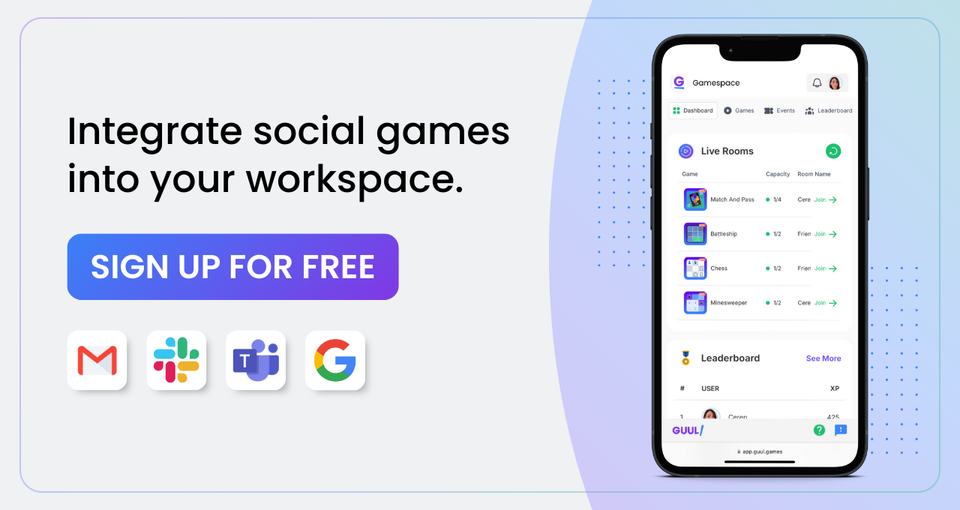
Guul Games is a prime example of utilizing virtual events for team building activities, offering a unique platform for interactive gaming experiences within Slack and Microsoft Teams workspaces.
The innovative approach of Guul Games transforms mundane work routines into exciting challenges, fostering camaraderie and collaboration among team members. With a diverse range of games and challenges, Guul Games caters to various preferences and skill levels, ensuring engagement for all participants. The real-time feedback and leaderboard features enhance competitiveness and motivation, leading to improved productivity and morale within the virtual teams. The seamless integration of Guul Games with existing communication tools simplifies accessibility and encourages active participation, making virtual team building a seamless and enjoyable experience.
Overview of Guul Games
Guul Games provides a comprehensive solution for hosting virtual team building activities, offering an array of real-time social games that promote collaboration, communication, and engagement among remote team members.
With Guul Games, teams can enjoy a seamless virtual gathering experience with interactive features that bring fun and excitement to the table. The platform's diverse selection of games caters to various preferences, ensuring that every team member finds something to enjoy. Whether it's teamwork challenges, quiz competitions, or creative group activities, Guul Games encourages participation and teamwork through innovative virtual speaker experiences.
Benefits of Using Guul Games for Virtual Events
Using Guul Games for virtual events offers numerous benefits, including enhanced team bonding, boosted morale, and an interactive platform for immersive team building experiences.
By incorporating Guul Games into virtual events, planners can create engaging environments where participants can collaborate effortlessly, fostering a sense of unity among team members. Not only does this increase employee engagement, but it also allows for a more dynamic and lively event setting, keeping attendees actively involved throughout. Team dynamics are significantly improved as individuals work together towards common goals, leading to improved communication skills and problem-solving abilities.
Key Takeaways:
- Virtual events offer a cost-effective solution for businesses looking to host team building activities or conferences, as they eliminate travel and venue expenses.
- With advancements in technology and a shift towards online platforms, virtual events have become a popular and convenient option for businesses to connect with a wider audience.
- Hosting a successful virtual event involves choosing the right platform, effective planning and promotion, engaging participants with interactive activities, and utilizing data and feedback for improvement.
Frequently Asked Questions
Q1. What is the cost-effective advantage of hosting virtual events?
Virtual events are a cost-effective alternative to in-person events. By eliminating the need for physical venues, catering, and travel expenses, virtual events can save businesses a significant amount of money.
Q2. How can hosting virtual events save businesses money?
Virtual events eliminate the need for costly venue rentals, equipment rentals, and travel expenses. This can result in significant cost savings for businesses, especially when hosting large events.
Q3. Are there any hidden costs associated with hosting virtual events?
There may be some initial costs associated with setting up a virtual event platform or hiring a virtual event planning service. However, in the long run, virtual events can be much more cost-effective than traditional in-person events.
Q4. Can virtual events still provide the same experience as in-person events?
Yes, virtual events can offer a similar experience to in-person events with the use of advanced technology and interactive features. In fact, virtual events can sometimes offer even more engaging and unique experiences for attendees.
Q5. What type of businesses can benefit from hosting virtual events?
Any type of business can benefit from hosting virtual events. From small startups to large corporations, virtual events can save businesses money while still providing a valuable and engaging experience for their audience.
Q6. Are there any other advantages to hosting virtual events?
Aside from cost savings, virtual events also offer the advantage of being more accessible. Attendees can join from anywhere, eliminating the need for travel and making it easier for a wider audience to participate. Virtual events also leave less of an environmental impact than in-person events.