Maximizing Reach and Accessibility with Virtual Event Platforms

Maximizing Reach and Accessibility with Virtual Event Platforms
Virtual events have come a long way since their inception, revolutionizing the way we connect and engage with others online.
In this article, we will explore the evolution of virtual events, the reasons behind their growing popularity, and the numerous benefits they offer.
From cost savings to increased reach and accessibility, virtual events provide a flexible and customizable platform for businesses and organizations.
We will also delve into how to choose the right virtual event platform, key features to look for, and factors to consider.
We will discuss how to maximize reach and accessibility with virtual event platforms, including integrating them into existing platforms, utilizing social media for promotion, and creating a user-friendly experience for attendees.
Through case studies like Guul Games' virtual team building success story, we will showcase the potential of virtual events and platforms.
We will look towards the future of virtual events and online platforms, exploring the endless possibilities they hold for connecting people in a digital world.
Join us on this journey to discover the power of virtual events and the evolving landscape of online platforms.
The Evolution of Virtual Events
The Evolution of Virtual Events has transformed the landscape of gatherings and interactions, ushering in a new era of connectivity and engagement through digital platforms and technologies.

Initially, virtual events were simple webinars and online meetings, but as technology advanced, so did the complexity and capabilities of these digital gatherings. The introduction of virtual reality and augmented reality technologies revolutionized the way participants could immerse themselves in virtual environments, creating a more interactive and engaging experience. This shift towards more immersive experiences paved the way for virtual trade shows, multiplayer virtual conferences, and even virtual reality team-building exercises.
What are Virtual Events?
Virtual Events are online gatherings that bring together participants from across the globe in a digital environment to engage, network, and interact virtually. These events are facilitated through specialized platforms and technologies that enable real-time communication, collaboration, and content delivery, creating immersive experiences for attendees.
One of the key advantages of virtual events is their ability to overcome geographical barriers, allowing individuals to attend from anywhere with an internet connection. Whether it's virtual conferences, webinars, trade shows, or networking events, there is a wide range of options available to cater to different objectives and interests. These events leverage cutting-edge technologies such as virtual reality, augmented reality, live streaming, and interactive chat features to ensure seamless engagement and interaction among participants.
Why are Virtual Events Gaining Popularity?
Virtual Events are gaining popularity due to their inherent accessibility, global reach, and flexibility, allowing participants to engage from anywhere in the world without the constraints of physical location or travel.
The advancements in event technology have also played a significant role in enhancing the virtual event experience, offering interactive features and networking opportunities that rival traditional in-person gatherings.
Global reach has become a key driver behind the surge in virtual events, breaking down geographical barriers and enabling individuals from diverse corners of the world to participate in a single virtual space. This inclusivity fosters a sense of community and collaboration that transcends physical boundaries. The flexibility afforded by virtual events allows attendees to customize their experience, engaging with content at their own pace and convenience. The integration of innovative event technology, such as AI-powered matchmaking algorithms and virtual reality simulations, enhances participant engagement and interaction, creating immersive environments that captivate audiences and drive meaningful connections.
The Benefits of Virtual Events
The Benefits of Virtual Events extend beyond geographical boundaries, offering cost savings, increased reach, accessibility, flexibility, and customization options that cater to diverse audience needs. These advantages make virtual events an attractive option for businesses and organizations looking to enhance their engagement strategies in a digital landscape.
One of the key advantages of virtual events is their ability to significantly reduce costs associated with traditional in-person gatherings. By eliminating expenses related to venue bookings, travel, accommodation, and catering, organizations can allocate their budgets more efficiently, ensuring a higher return on investment. Virtual events have the potential to reach a global audience, not limited by physical location constraints, thereby maximizing participation and engagement.
Cost Savings
Cost Savings are a significant advantage of virtual events, as they eliminate the expenses associated with venue rentals, travel, accommodations, and catering that are common in traditional in-person events.

Transitioning to virtual platforms not only saves costs on physical event logistics but also enables businesses to allocate resources more efficiently. Virtual events offer opportunities for additional revenues through sponsorships, reduced carbon footprint, and flexible scheduling. Leveraging event technology can lead to interactive and engaging virtual experiences that can still deliver valuable networking and educational opportunities. By capitalizing on the accessibility and scalability of virtual platforms, businesses can achieve a higher return on investment and maximize their event budgets.
Increased Reach and Accessibility
Virtual Events offer increased reach and accessibility by breaking down geographical barriers and enabling participants from diverse locations to join seamlessly. The global reach of virtual events opens up opportunities for broader audience engagement and participation, fostering connections on a global scale.
The inclusive nature of online gatherings transcends physical limitations, creating a space where individuals from different corners of the world can come together in a shared digital environment. This not only enhances the diversity of perspectives and experiences but also promotes cross-cultural interactions that enrich the overall event experience.
Event platforms play a crucial role in facilitating this global connectivity by offering features such as real-time language translation, interactive networking tools, and virtual exhibition spaces that cater to a wide range of preferences and needs. In essence, virtual events have become a powerful tool for uniting people across borders and time zones, creating a truly borderless event landscape.
Flexibility and Customization
Virtual Events provide flexibility and customization options that allow organizers to tailor the event experience to the specific needs and preferences of their audience. From personalized content delivery to interactive engagement features, virtual events offer a dynamic and customizable platform for hosting engaging digital gatherings.
One of the key advantages of virtual events lies in their ability to adapt seamlessly to the diverse requirements of attendees. With customizable agendas, attendees can choose sessions that align with their interests, ensuring a personalized experience. Virtual event platforms enable participants to engage through various interactive tools, such as live Q&A sessions and virtual networking lounges. This flexibility give the power tos attendees to shape their own event journey, enhancing satisfaction and overall engagement.
Choosing the Right Virtual Event Platform
Choosing the Right Virtual Event Platform is crucial for the success of your virtual event, as it determines the overall participant experience, engagement levels, and the effectiveness of your event objectives. From integrated features to user interface design, selecting the appropriate platform can make a significant difference in achieving your event goals.
When evaluating virtual event platforms, consider the flexibility they offer. A platform with customizable branding options can help you maintain a professional look consistent with your organization's image. Look for platforms that support various engagement tools such as live polls, Q&A sessions, and networking opportunities to enhance participant interaction.
Another vital aspect to consider is data analytics. Opt for a platform that provides comprehensive data insights, including attendee engagement metrics, registration data, and post-event surveys. This data can help you measure the success of your event and make informed decisions for future planning.
Key Features to Look for in a Virtual Event Platform
When choosing a Virtual Event Platform, it is essential to consider key features that enhance attendee engagement, streamline event management, and deliver a seamless virtual experience. Features such as interactive tools, networking capabilities, and data analytics play a crucial role in maximizing the impact of your virtual event.

Interactive tools give the power to participants to actively engage with the content, speakers, and other attendees, fostering a dynamic and immersive online event environment. Through networking capabilities, individuals can connect, exchange ideas, and build relationships, mirroring the organic interactions that take place at in-person events.
Data analytics provide valuable insights into attendee behavior, content performance, and overall event success, allowing organizers to make informed decisions and optimize future virtual gatherings for enhanced outcomes.
Factors to Consider when Choosing a Platform
Several key factors should be evaluated when choosing a virtual event platform, including the scalability of the platform, customization options, technical support, security measures, and integration capabilities. Assessing these factors can help ensure a seamless and successful virtual event experience for both organizers and participants.
Scalability is crucial as it determines how well the platform can adapt to varying numbers of attendees without compromising performance. Security is paramount to safeguard sensitive data and ensure a secure environment for all participants. Customization options allow organizers to tailor the platform to reflect their branding and enhance user engagement.
In terms of technical support, responsive and knowledgeable assistance is essential for troubleshooting any issues that may arise during the event. Integration capabilities facilitate seamless connectivity with other tools such as registration platforms or analytics software, enhancing the overall event experience.
Maximizing Reach and Accessibility with Virtual Event Platforms
Maximizing Reach and Accessibility with Virtual Event Platforms is essential for ensuring that your virtual event reaches a broad audience and offers an inclusive experience for all participants.
Integrating strategies such as providing closed captioning, sign language interpreters, and adjustable font sizes can make virtual events more accessible to individuals with diverse needs. Utilizing social media platforms to create buzz around the event, engage with potential attendees, and share key information can significantly boost reach and participation. Implementing user-friendly features like intuitive navigation, clear instructions, and interactive elements can enhance the overall user experience and encourage active involvement from all attendees.
Integrating Virtual Events into Existing Platforms
Integrating Virtual Events into existing platforms can enhance the reach and engagement of your digital offerings, providing seamless access to virtual event content within familiar environments.
By seamlessly integrating virtual events into platforms such as Slack, Microsoft Teams, or social media channels, organizers can tap into a larger pool of potential attendees, leading to increased participation rates and diversified audience interaction. This integration not only streamlines the accessibility of virtual events but also fosters deeper engagement by allowing participants to interact with the content using tools they are already familiar with, resulting in a more immersive and interactive experience for all involved.
Utilizing Social Media to Promote Virtual Events
Utilizing Social Media to promote Virtual Events is a powerful strategy for increasing event visibility, driving registration, and engaging with attendees before, during, and after the event. Leveraging platforms such as Twitter, LinkedIn, and Facebook enables organizers to reach a wider audience, generate buzz, and create a sense of community around the virtual event.

One key benefit of integrating Social Media into virtual event promotion is the ability to create interactive experiences that enhance attendee engagement.
Through platforms like Instagram and TikTok, organizers can share behind-the-scenes glimpses, conduct live Q&A sessions, and run interactive polls, fostering a more dynamic and immersive event environment.
Additionally, Social Media serves as a valuable tool for community building by facilitating conversations, networking opportunities, and post-event discussions, strengthening the overall impact and long-term sustainability of the virtual event.
Creating a User-Friendly Experience for Attendees
Creating a User-Friendly Experience for attendees is essential to ensure seamless navigation, engagement, and participation in virtual events. By prioritizing intuitive design, clear communication, and interactive features, organizers can enhance the overall attendee experience and foster meaningful interactions within the virtual event environment.
Implementing a visually appealing interface with easy-to-navigate menus and user-friendly layouts can help attendees find what they need quickly and effortlessly. Concise and informative communications before, during, and after the event are crucial to keeping participants informed and engaged. Utilizing interactive tools such as live polls, Q&A sessions, and virtual networking opportunities can create a dynamic and engaging atmosphere, encouraging attendees to actively participate and connect with speakers and other attendees. By combining these elements, event organizers can create a seamless and enjoyable virtual event experience for all participants.
Case Studies: Successful Virtual Events and Platforms
Case Studies showcase successful Virtual Events and Platforms that have leveraged innovative approaches, interactive technologies, and strategic planning to achieve remarkable outcomes in audience engagement, brand visibility, and community building. By examining these case studies, organizers can gain valuable insights and best practices for hosting impactful virtual events.
One standout example is the virtual summit organized by Company X, which integrated cutting-edge event technology to provide a seamless and engaging experience for attendees. Through the use of AI-powered networking tools, personalized content recommendations, and live polling features, the event saw a significant increase in attendee interaction and overall satisfaction. The platform's robust analytics capabilities allowed organizers to gather real-time feedback and data insights, enabling them to continuously improve the event experience.
Another successful case study is the virtual trade show hosted by Organization Y, which focused on maximizing global accessibility through multiple language options, time zone considerations, and virtual networking opportunities. By utilizing a combination of live streaming sessions, on-demand content libraries, and interactive virtual booths, the event attracted attendees from around the world, resulting in enhanced brand exposure and expanded market reach.
Guul Games: A Virtual Team Building Success Story
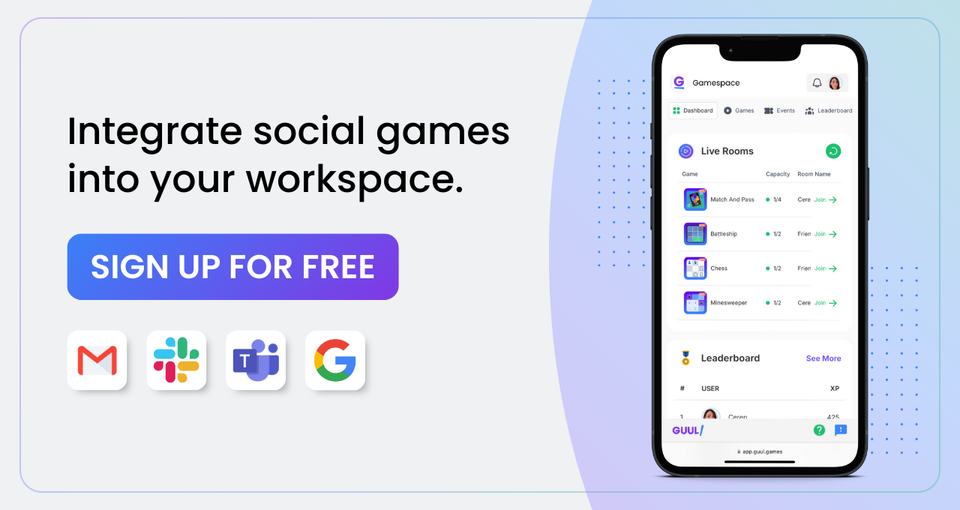
Guul Games stands out as a Virtual Team Building Success Story, offering real-time social games for businesses within the Slack and Microsoft Teams environment. By providing engaging and interactive activities, Guul Games has redefined virtual team building, promoting collaboration, communication, and camaraderie among remote teams.
Not only has Guul Games mastered the art of creating fun and interactive experiences, but they have also leveraged cutting-edge event technology to enhance the virtual team building process. Through their innovative approach, they have seamlessly integrated social games into platforms like Slack and Microsoft Teams, making team engagement effortless and enjoyable.
These interactive social games are not just about entertainment; they serve as powerful tools for boosting team connectivity and fostering a sense of belonging among distributed teams. This has proven to be especially crucial in today's digital age, where building strong relationships and maintaining high levels of engagement in remote work environments is paramount.
Other Examples of Virtual Events and Platforms
Beyond Guul Games, there are numerous examples of Virtual Events and Platforms that have demonstrated creativity, inclusivity, and effectiveness in engaging diverse audiences in a virtual setting. From industry conferences to virtual trade shows, these examples showcase the versatility and potential of virtual events in fostering connections and achieving event objectives.
One notable example is the virtual concert held by the band 'Soundwave Symphony,' which attracted thousands of viewers worldwide and integrated interactive features like live chat and virtual merchandise booths to enhance audience interaction.
Virtual team-building activities like virtual escape rooms and online trivia nights have become popular among companies seeking innovative ways to engage their remote workforce.
Platforms such as 'VirtualVibe' and 'ImmerseXperience' have gained acclaim for offering customizable virtual event solutions that cater to various industries, from medical conferences to music festivals, fostering an immersive and interactive experience for attendees.
The Future of Virtual Events and Online Platforms
The Future of Virtual Events and Online Platforms holds tremendous potential for continued innovation, expansion, and integration of emerging technologies to enhance the virtual event experience.
As technologies such as augmented reality and virtual reality continue to advance, they will likely play a significant role in shaping the future of virtual events.
AI-powered features are expected to further personalize attendee experiences, offering tailored content suggestions and networking opportunities.
The integration of blockchain technology may revolutionize event security and data management, ensuring transparency and trust among participants.
The rise of 5G connectivity will enable seamless live streaming and interactive elements, enhancing the overall online event experience.
Key Takeaways:
- Virtual event platforms provide increased reach and accessibility, allowing businesses to connect with a wider audience and break geographical barriers.
- Integrating virtual events into existing platforms and utilizing social media can help maximize reach and promote the event to a larger audience.
- When choosing a virtual event platform, consider key features such as customization options and user-friendly experience for attendees to ensure a successful event.
Frequently Asked Questions
Q1. How can virtual event platforms help maximize reach and accessibility?
Virtual event platforms allow for remote attendance, meaning that people from all over the world can participate in your event. This greatly increases your reach and makes the event more accessible for those who may not be able to attend in person.
Q2. What features should I look for in a virtual event platform to ensure maximum reach and accessibility?
Look for features such as live streaming, interactive chat and Q&A, and multi-language support. These features will make it easier for a diverse audience to participate in your virtual event.
Q3. Can virtual event platforms accommodate individuals with disabilities?
Yes, many virtual event platforms offer accessibility features such as closed captioning, screen reader compatibility, and keyboard navigation. Be sure to research the platform and its accessibility options before choosing one for your event.
Q4. How can virtual team building activities, such as social games, be incorporated into a virtual event?
Virtual team building activities can be integrated into a virtual event through the use of platforms like Slack and Microsoft Teams. These platforms allow for real-time communication and collaboration, making it easy for teams to participate in activities together.
Q5. What are the benefits of using virtual event platforms for businesses?
Virtual event platforms offer a cost-effective solution for businesses to host events, as there is no need for venue rentals or travel expenses. They also provide a more environmentally friendly option, as there is no need for physical materials.
Q6. Can virtual event platforms cater to large scale events?
Yes, many virtual event platforms have the capability to accommodate large scale events with thousands of attendees. They also offer features such as breakout rooms and networking opportunities to ensure a smooth and engaging experience for all participants.